
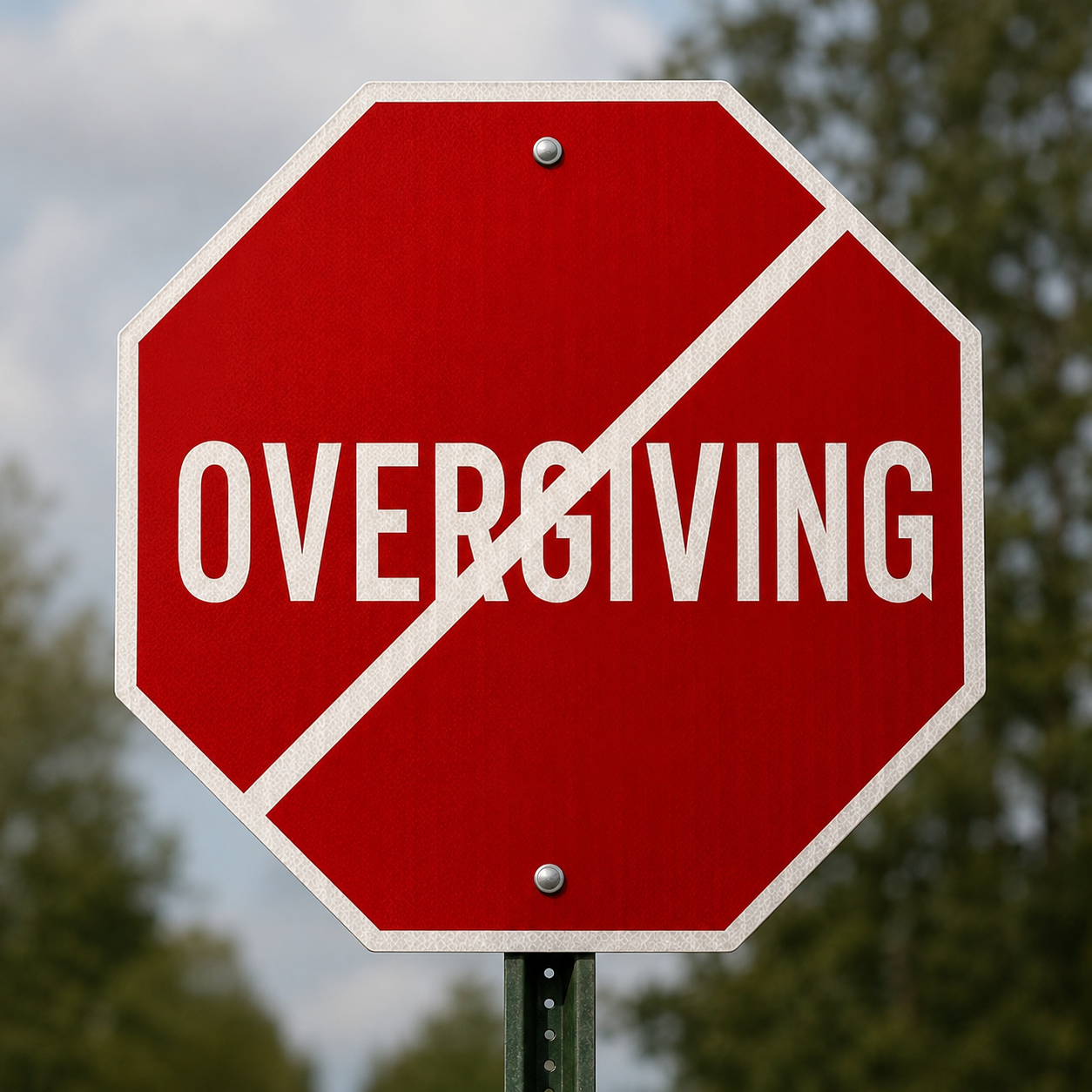
The Course
If you've ever found yourself exhausted from taking care of everyone else, saying yes when you want to say no, or feeling responsible for other people's emotions, this course is for you.
Many overgivers know they need better boundaries. What they don't always realize is that overgiving is often rooted in attachment wounds, people-pleasing, and a nervous system that learned keeping the connection was more important than honoring their own needs.
Inside this course, you'll explore where these patterns come from, why they continue even when you're aware of them, and how to begin changing them. Through lessons, reflection exercises, worksheets, and practical tools, you'll learn how to recognize self-abandonment, regulate your nervous system, communicate more effectively, and build self-trust one choice at a time.
This isn't about becoming selfish or caring less about the people you love. It's about learning how to care for yourself with the same compassion you've spent years giving to everyone else.
By the end of this course, you'll have a deeper understanding of your patterns, greater confidence in setting boundaries, and practical tools to help you stop losing yourself in your relationships. You'll learn that healthy connection doesn't require self-sacrifice, and that choosing yourself doesn't mean losing the people you love.
Why this Course Works
If you've spent years putting other people's needs ahead of your own, you probably already know what you "should" do. You know you need better boundaries. You know you need to stop saying yes when you want to say no. The challenge is that awareness alone rarely changes patterns that have been reinforced for years.
This course explores why overgiving develops in the first place, how attachment wounds and nervous system conditioning shape your relationships, and why choosing yourself can feel so uncomfortable. You'll begin identifying the beliefs, fears, and behaviors that keep you stuck in cycles of people-pleasing, resentment, exhaustion, and self-abandonment.
Through lessons, worksheets, reflection exercises, and practical tools, you'll learn how to recognize your patterns, communicate your needs more effectively, regulate your nervous system, and begin rebuilding self-trust. You'll discover how to respond differently in situations where you would normally ignore your own needs to maintain the connection. By the end of the course, you'll have a deeper understanding of why you overgive, where these patterns come from, and what it takes to change them. Most importantly, you'll begin learning that healthy relationships do not require self-sacrifice and that choosing yourself is not selfish. It's an essential part of creating a life that feels like your own.
Curriculum

Your instructor
I'm Cara Waters, a Licensed Professional Counselor, teacher, and creator of The Reclaimed Self.
For years, I've helped people understand the patterns that keep them stuck in unhealthy relationships, chronic people-pleasing, overgiving, and self-abandonment. As both a therapist and educator, my passion is helping people make sense of their experiences in a way that creates real change, not just more awareness.
Many of the women I work with know exactly what they should do differently. They understand boundaries. They know they need to stop saying yes when they want to say no. Yet they continue finding themselves exhausted, resentful, and responsible for everyone else's emotions. That's because overgiving is rarely just a behavior. It's often rooted in attachment wounds, nervous system conditioning, and early experiences that taught us connection was something we had to earn.
I created Why You Overgive and How to Stop because I wanted to make the tools I teach in therapy available to more people. This course combines psychology, attachment theory, nervous system education, practical exercises, and self-reflection to help you understand why these patterns developed and, more importantly, how to begin changing them.
My goal is to help you reconnect with yourself, trust yourself again, and create relationships where you no longer have to lose yourself to keep the connection.